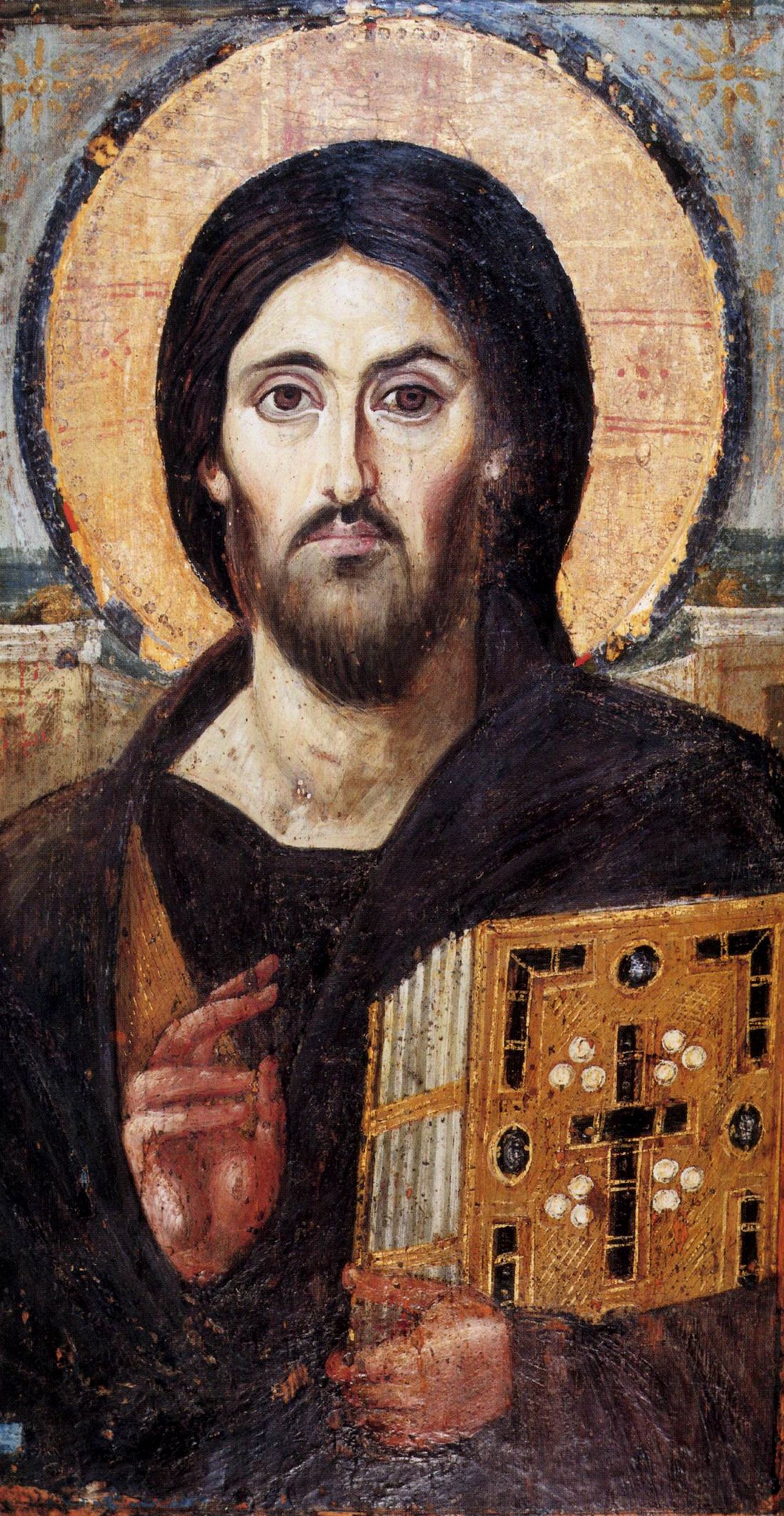
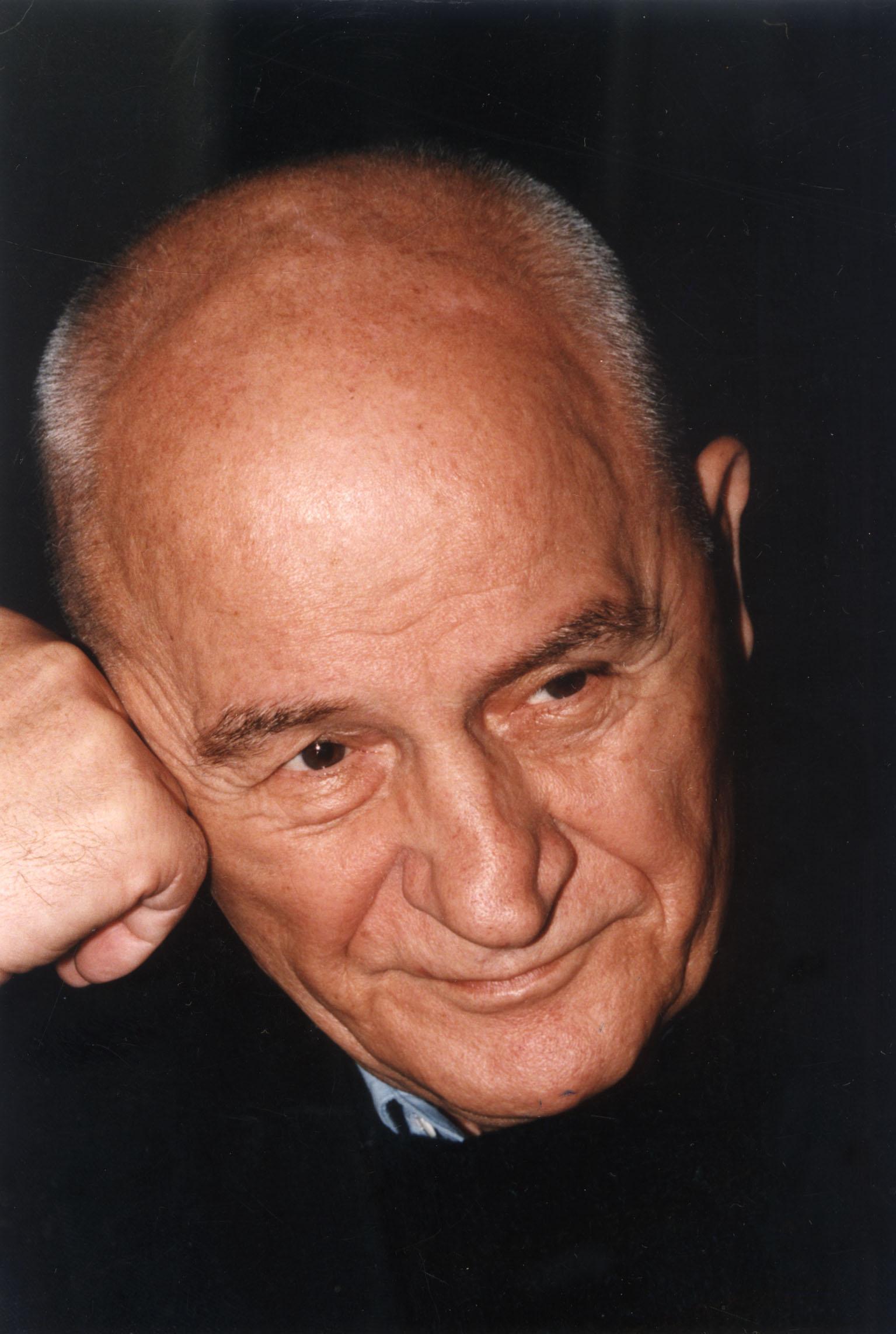
Thursday, November 08, 2007

The Holy Archangels Michael And Gabriel

The Seven Holy Archangels:
Michael, Gabriel, Raphael, Uriel,
Selaphiel, Jehudiel, Barachiel, and Jeremiel.

Commanders of the heavenly hosts, we who are unworthy beseech you, by your prayers encompass us beneath the wings of your immaterial glory, and faithfully preserve us who fall down and cry to you: "Deliver us from all harm, for you are the commanders of the powers on high!"
Commanders of God's armies and ministers of the divine glory, princes of the bodiless angels and guides of mankind, ask for what is good for us, and for great mercy, supreme commanders of the Bodiless Hosts.

The ninth month of the year, as well as the "ninth" day of the week, are devoted to the honor of the nine heavenly hosts. While there were initially ten angelic choirs -this number being regarded as mystical and holy in the Holy Writ, reminding us of the Ten Plagues and the Ten Commandments, as well as the numerical value of the initial letter of the Tetragram-, the first and foremost of these aforesaid heavenly hosts unfortunately fell from the heavens, under the misguided leadership of the former Archangel Lucifer, who refused to give the deserved glory and rightful praise to the uncreated Angel of the Lord, Great Counselor and Angel of Great Advice -of Whom the Divinely inspired Scriptures repeatedly make mention, and of whom Isaiah the Prophet praisefully speaks-, by mistaking him for one of the created ones. The irony of faith in all this consists in the fact that, if he would've meekly humbled himself before This One, today the Church would've celebrated his and his host's Feast Day as well, together with all of those who continued to remain faithful servants of God under the leadership of the second-in-command, the Great and Holy Archangel Michael, who's being thusly named for rebuking the former's prideful thoughts, when seeing that that one wanted to rise his throne higher than the Throne of Glory, by crying out loud unto him: "Who is like unto God !?"; after which he exhorted all the Angels that were under him with the advice with which the Priest still calls upon the faithful present at the Holy Liturgy every Sunday and Feast Day, namely: "Let's stand well, let's stand with fear ... ". The number of this fallen tenth celestial army is to be fulfilled, according to the Divine Revelation of Saint John the Theologian, with those that lived heavenly lives here on this earth, resembling those of the bodiless Angels with their bloody martyrdom or unbloody asceticism, though being themselves but bodily men. As the Akathist dedicated to Saint Anthony the Great of Egypt so beautifully puts it: "Rejoice, oh heavenly man and earthly Angel !". For their worthiness, they're being remembered on the "tenth" day of the week.

Tuesday, November 06, 2007

Thevenin's Theorem: Thevenin = Cretin

Wednesday, October 31, 2007

Martin Luther

LUTHERS THESEN IN DEUTSCHER UEBERSETZUNG - 1545

Aus Liebe zur Wahrheit und in dem Bestreben, diese zu ergründen, soll in Wittenberg unter dem Vorsitz des ehrwürdigen Vaters Martin Luther, Magisters der freien Künste und der heiligen Theologie sowie deren ordentlicher Professor daselbst, über die folgenden Sätze disputiert werden. Deshalb bittet er die, die nicht anwesend sein und mündlich mit uns debattieren können, dieses in Abwesenheit schriftlich zu tun.

Im Namen unseres Herrn Jesu Christi, Amen.


A unßer Meißter und HERR Jheßus Chrißtus ßpricht, Thut bußße etc. will er das das gantze leben ßeiner Gleubigen auff Erden, ein ßtete und unauffhoerliche bußße ßol ßein.

2. Und kan noch mag ßolch wort nicht vom Sacrament der bußße, das ißt, von der Beicht und Gnugthuung, ßo durch der Prießter ampt geuebet wird, verßtanden werden.
3. Jedoch wil er nicht allein verßtanden haben, die innerliche Bußße, ja die innerliche Bußße ißt nichtig, und keine Bußße, wo ßie nicht eußßerlich allerley toedtungen des fleißches wircket.
4. Wehret derhalben rew und leid, das ißt, ware Bußße, ßo lang einer misfallen an jm ßelber hat, nemlich, bis zum eingang aus dießem in das ewige Leben.
5. Der Bapßt wil noch kan nicht einige andere pein erlaßßen, außßerhalb derer, die er ßeins gefallens, oder laut der Canonum, das ißt, Bepßtlicher ßatzungen, auffgeleget hat.
6. Der Bapßt kan kein ßchuld vergeben, denn allein ßo fern, das er erklere und beßtetige, was von Gott vergeben ßey, Oder aber, das ers thu in den fellen, die er jm vorbehalten hat, welche felle, ßo ßie verachtet wuerden, bliebe die ßchuld gantz und gar unauffgehaben oder verlaßßen.
7. Gott vergibt keinem die ßchuld, den er nicht zu gleich durchaus wol gedemuetiget, dem Prießter, ßeinem Stathalter, unterwerffe.
8. Canones poenitentiales, das ißt, die Satzungen, wie man beichten und bueßßen ßol, ßind allein den Lebendigen auffgelegt, und ßollen nach laut derßelbigen ßatzungen, den jtzt Sterbenden nicht auffgelegt werden.
9. Daher thut uns der heilige Geißt wol am Bapßt, das der Bapßt alle wege in ßeinem Decreten oder Rechten, ausnimet den Artikel des todes, und die eußßerßte not.
10. Die Prießter handeln unverßtendig und ubel, die den ßterbenden Menßchen poenitentias Canonicas, das ißt, aufferlegte Bußße, ins Fegfewer, daßelbs denßelben gnug zu thun, ßparen und behalten.
11. Dießes Unkraut, das man die Bußße oder Gnugthuung, ßo durch die Canones oder Satzugen auffgelegt ißt, des Fegfewers bußße oder pein ßolte verwandeln, ißt geßeet worden, da die Bißchoue geßchlaffen haben.
12. Vorzeiten worden Canonicae poenae, das ißt, Bußße oder gnugthuung fur begangene ßuende, nicht nach, ßondern vor der Abßolution auffgelegt, dabey zu pruefen, ob die rew und leid rechtßchaffen were.
13. Die Sterbenden thun fur alles gnug durch jren tod oder abßterben, und ßind dem recht der Canonum oder Satzungen abgeßtorben, und alßo billich von derßelben aufflage entbunden.
14. Unuolkomene froemigkeit, oder unuolkomene liebe, des, der jtzt ßterben ßol, bringet notwendig großße furcht mit ßich,ja, wie viel die Liebe geringer ißt, ßo viel ißt die furcht deßte groeßßer.
15. Dieße furcht und ßchrecken ißt an jr ßelbs und allein, das ich andere ding ßchweige, dazu gnug, das ßie des Fegfewers pein und qual anrichte, dieweil ßie der angßt der verzweiuelung gantz nahe ißt.
16. Helle, Fegfewer und Himel ßcheinen gleicher mas unterßcheiden ßein, wie die rechte verzweiuelung, unuolkomene oder nahe verzweiuelung, und ßicherheit, von einander unterßchieden ßind.
17. Es ßcheinet, als mueßße im Fegfewer, gleich wie die angßt und ßchrecken an den Seelen abnimpt, Alßo auch die liebe an jnen wachßen und zunemen.
18. Es ßcheinet auch unbeweißet ßein, weder durch gute Urßachen, noch durch Schrifft, das die Seelen im Fegfewer außßer dem ßtand des verdienßts, oder des zunemens an der Lieb ßeien.
19. Es ßcheinet auch dis unerweißet ßein, Das die Seelen im Fegfewer, zum wenigßten alle, jrer ßeligkeit gewis und unbekoemmert ßeien, ob wir ßchon des gantz gewis ßind.
20. Derhalben meinet noch verßtehet der Bapßt nicht, durch dieße wort (Volkomene vergebung aller pein) das in gemein allerley pein vergeben werde, Sondern meinet die pein allein, die er ßelbs hat auffgelegt.
21. Derhalben jrren die Ablasprediger, die da ßagen, Das durch des Bapßts ablas der Menßch von aller pein los und ßelig werde.
22. Ja, der Bapßt erleßßet kein pein den Seelen im Fegfewer, die ßie hetten in dießem leben, laut der Canonum, ßollen bueßßen und bezalen.
23. Ja, ßo jrgend ein vergebung aller pein jemand kan gegeben werden, ißts gewis, das die allein den volkomeneßten,das ißt, den gar wenigen, gegeben werde.
24. Darumb mus der groeßßer teil unter den Leuten betrogen werden, durch die prechtige Verheißßung on alle unterßcheide, dem gemeinen Man eingebildet von bezalter pein.
25. Gleichen gewalt, wie der Bapßt hat uber das Fegfewer, durch aus und in gemein, So haben auch ein jeder Bißchoff und Seelßorger in ßeinem Bißthum und Pfarr, in ßonderheit, oder bey den ßeinen.
26. Der Bapßt thut ßehr wol dran, das er nicht aus gewalt des Schlueßßels (den er nicht hat) ßondern durch huelffe, oder furbitweiße, den Seelen vergebung ßchencket.
27. Die predigen Menßchentand, die da furgeben, das, ßo bald der großßchen in den kaßten geworffen, klinget, von ßtund an die Seele aus dem Fegfewer fare.
28. Das ißt gewis, als bald der Großßchen im kaßten klinget, das gewinßt und Geitz kome, zunemen und groeßßer werden, Die huelffe aber, oder die furbitt der Kirchen ßtehet allein in Gottes willen und wolgefallen.
29. Wer weis, ob auch alle Seelen im Fegfewer wollen erloeßet ßein wie man ßagt, das es mit S.Seuerino und Paßchalio ßey zugangen.
30. Niemand ißt des gewis,das er ware rew und leid gnug habe, viel weniger kan er gewis ßein, ob er volkomene vergebung der ßuenden bekomen habe.
31. Wie ßelten einer ißt, der warhafftige rew und leid hab, So ßelten ißt auch der, der warhafftig Ablas loeßet, das ißt, es ißt gar ßelten einer zu finden.
32. Die werden ßampt jren Meißtern zum Teufel faren die vermeinen durch Ablaßbrieue jrer ßeligkeit gewis zu ßein.
33. Fur denen ßol man ßich ßehr wol hueten und furßehen, die da ßagen, des Bapßts ablas ßey die höchßte und werdeßte Gottes gnade oder geßchenck, dadurch der Menßch mit Gott verßuenet wird.
34. Denn die Ablas gnade ßihet allein auff die pein der Gnugthuung welche von Menßchen auffgeßetzt ißt worden.
35. Die leren unchrißtlich, die furgeben, das die, ßo da Seelen aus dem Fegfewr, oder Beichtbrieue wollen loeßen, ßeiner rew noch leides beduerffen.
36. Ein jeder Chrißt, ßo ware rew und leid hat uber ßeinen ßuenden der hat vollige vergebung von pein und ßchuld, die jm auch ohne Ablasbrieue gehoeret.
37. Ein jeder warhafftiger Chrißt, er ßey lebendig oder tod, ißt teilhafftig aller gueter Chrißti und Kirchen, aus Gottes geßchenck, auch ohne Ablasbrieue.
38. Doch ißt des Bapßts vergebung und austeilung mit nichten zu verachten, denn, wie ich geßagt habe, ißt ßeine vergebung ein erklerung goettlicher vergebung.
39. Es ißt aus der maßßen ßchweer, auch den aller gelerteßten Theologen, zugleich den großßen reichthum des Ablas, und dagegen die ware rew und leid fur dem Volk zu rhuemen.
40. Ware rew und leid ßucht und liebet die ßtraffe, Aber die mildigkeit des Ablas entbindet von der ßtraffe, und das man jr gram wird, zum wenigßten, wenn dazu gelegenheit furfelt.
41. Furßichtiglich ßol man von dem Bepßtlichen Ablas predigen, das der gemeine Man nicht felßchlich dafur halte, das er den andern wercken der Lieb werde furgezogen oder beßßer geachtet.
42. Man ßol die Chrißten leren, das es des Bapßts gemuet und meinung nicht ßey, das Ablas loeßen jrgend einem werck der barmhertzigkeit mit jchtes ßolte zu vergleichen ßein.
43. Man ßolte die Chrißten leren, das, der dem Armen gibt, oder leihet dem Duerfftigen, beßßer thut, denn das er Ablas loeßete.
44. Denn durch das werck der Liebe wechßßt die liebe, und der Menßch wird froemer, Durch das Ablas aber wird er nicht beßßer, ßondern allein ßicherer und freier von der pein oder ßtraffe.
45. Man ßol die Chrißten leren das der, ßo ßeinen Neheßten ßihet darben, und des ungeachtet, Ablas loeßet, der loeßet nicht des Bapßts ablas, ßondern ladet auff ßich Gottes ungnade.
46. Man ßol die Chrißten leren, das ßie, wo ßie nicht ubrig reich ßind, ßchueldig ßind, was zur notdurfft gehoeret, fur jr Haus zu behalten, und mit nichten fur Ablas zu verßchwenden.
47. Man ßol die Chrißten leren, das das Ablas loeßen ein frey ding ßey, und nicht geboten.
48. Man ßol die Chrißten leren, das der Bapßt, wie mehr er eines andechtigen Gebets bedarff, Alßo deßßelben mehr begere, denn des gelts, wenn er Ablas austeilet.
49. Man ßol die Chrißten leren, Das des Bapßts ablas gut ßey, ßo fern man ßein vertrawen nicht drauff ßetzet, Dagegen aber nichts ßchedlichers, denn ßo man dadurch Gottes furcht verleuret.
50. Man ßol die Chrißten leren, Das der Bapßts, ßo er wueßte der Ablasprediger ßchinderey, lieber wolte, das S.Peters Muenßter zu puluer verbrand wuerde, denn das es ßolt mit haut, fleißch und bein ßeiner Schaffe erbawet werden.
51. Man ßol die Chrißten leren, das der Bapßt, wie er ßchueldig ißt, alßo auch ßeines eigen gelds, wenn auch ßchon S.Peters Muenßter dazu ßolte verkaufft werden, den Leuten austeilen wuerde, welche doch etliche Ablasprediger jtzund ßelbs umbs geld bringen.
52. Durch Ablasbrieue vertrawen ßelig zu werden, ißt nichtig und erlogen ding, ob gleich der Commißßarius (oder Ablas vogt) ja der Bapßt ßelbs, ßeine Seele dafur zu pfand wolt ßetzen.
53. Das ßind feinde Chrißti und des Bapßts, die von wegen der Ablaspredigt, das wort Gottes in andern Kirchen zupredigen ganz und gar verbieten.
54. Es geßchiet dem wort Gottes unrecht, wenn man in einer Predigt gleich ßo viel oder mehr zeit auffwendet das Ablas zu verkuendigen als auff das wort Gottes.
55. Des Bapßts meinung kan nicht anders ßein, denn ßo man das Ablas (das das geringßte ißt) mit einer glocken, einem gepreng und ceremonien begehet, das man dagegen und viel mehr das Euangelium (welchs das groeßßt ißt) mit hundert Glocken, hundert gepreng, und Ceremonien ehren und preißen ßolle.
56. Die ßchetze der Kirchen, dauon der Bapßt das Ablas austeilet, ßind weder gnugßam genand noch bekand, bey der gemein Chrißti.
57. Denn das es nicht leibliche zeitliche Gueter ßind, ißt daher offenbar das viel Prediger dießelben nicht ßo leichtlich hingeben, ßondern allein auff ßamlen.
58. Es ßind auch nicht die verdienßt Chrißti und der Heiligen, Denn dieße wircken alle zeit, on zuthun des Bapßts, gnad des innerlichen Menßchen, und das Creutz, Tod und Helle, des eußßerlichen Menßchen.
59. S.Laurentius hat die Armen, ßo der Kirchen glieder ßind genant die Schetze der Kirchen, Aber er hat das woertlin genomen, wie es zu ßeiner zeit im brauch war.
60. Wir fragen aus gutem grund, on freuel oder leichtfertigkeit, das dießer ßchatz ßeien die Schlueßßel der Kirchen, durch das verdienßt Chrißti der Kirchen geßchencket.
61. Denn es ißt klar, das zu vergebung der pein, und vorbehaltener Felle, allein des Bapßts gewalt gnug ißt.
62. Der rechte ware ßchatz der Kirchen ißt das heilige Euangelium der herrligkeit und gnaden Gottes.
63. Dießer Schatz ißt billich der allerfeindßeligßte und verhaßßeßte, Denn er macht, das die erßten die letzten werden.
64. Aber der Ablas ßchatz ißt billich der aller angemeßte, Denn er macht aus den letzten die erßten.
65. Derhalben ßind die ßchetze des Euangelij, netze, da man vor zeiten die Reichen wolhabende Leute mit gefißchet hat.
66. Die ßchetze aber des Ablas ßind netze, damit man jtziger zeit die reichthum der Menßchen fißchet.
67. Das Ablas, das die Prediger fur die groeßßeßte gnad ausruffen, ißt freilich fur großße gnad zu halten, denn es großßen gewinßt und genies treget.
68. Und ißt doch ßolch Ablas warhafftig die allergeringßte gnade, wenn mans gegen der gnaden Gottes, und des Creutzes gottßeligkeit helt oder vergleichet.
69. Es ßind die Bißchoue und Seelßorger ßchueldig, des Apoßtolißchen Ablas Commißßarien mit aller ehrerbietung zu zulaßßen.
70. Aber viel mehr ßind die ßchueldig mit augen und ohren auff zu ßehen, das dießelben Commißßarien nicht an ßtat Bepßtliches befehls, jre eigen trewme predigen.
71. Wer wider die warheit des Bepßtlißchen Ablas redet, der ßey ein Fluch und vermaledeiet.
72. Wer aber wider des Ablas predigers mutwillige und freche wort ßorge tragt, oder ßich bekuemmert, der ßey gebenedeiet.
73. Wie der Bapßt die jenigen billich mit ungnad und dem Bann ßchlegt die zu nachteil dem Ablas jrgend auff einigem weg handlen.
74. So viel mehr trachtet er auff die Leute ungnad und Bann zu ßchuetten, die unter dem ßchein des Ablas, zu nachteil der heiligen Lieb und Warheit handeln.
75. Des Bapßts Ablas ßo großß halten, das er einen abßoluiren oder von ßuenden los machen koenne, wenn er gleich (unmueglicher weiße zu reden) die mutter Gottes geßchwechet hette, ißt raßend und unßinnig ßein.
76. Dagegen ßagen wir, das des Bapßts Ablas nicht die allergering ßte tegliche ßuende koenne hinweg nemen, ßo viel die ßchuld derßelben belanget.
77. Das man ßaget, S.Peter, wenn er jtzt Bapßt were, vermoechte nicht groeßßern Ablas zu geben, ißt ein leßterung wider S.Peter und den Bapßt.
78. Dawider ßagen wir, Das auch dießer und ein jeder Bapßt groeßßern Ablas hat, nemlich, das Euangelium, Kreffte, gaben geßund zu machen etc. 1. Corinth. 12.
79. Sagen, das das Creutz mit des Bapßts wapen herrlich auffgericht, vermoege ßo viel als das Creutz Chrißti, ißt eine Gottesleßterung.
80. Die Bißchoue, Seelßorger und Theologen, die da geßtatten, das man ßolche wort fur dem gemeinen Man reden darff, werden rechenßchafft dafur mueßßen geben.
81. Solche freche und unuerßchempte Predigt und rhum vom Ablas, macht, das es auch den Gelerten ßchweer wird, des Bapßts ehre und wirde zu verteidigen, fur derßelben verleumbdung, oder ja fur den ßcharffen lißtigen des gemeinen Mans fragen.
82. Als nemlich, Warumb entlediget der Bapßt nicht alle Seelen zu gleich aus dem Fegfewr umb der allerheiligßten Liebe willen, und von wegen der hoechßten not der Seelen, als der allerbillichßten urßachen, So er doch umb das allervergenglichßten gelts willen, zu baw S.Peters Muenßter, unzelich viel ßeelen erloeßet, als von wegen der loeßeßten urßachen?
83. Item, Warumb bleiben die begengnis und jarzeit der Verßtorbenen ßtehen, und warumb gibt er nicht wider, oder vergoennet wider zu nemen die Beneficia oder Pfruenden, die den Todten zu gut geßtifftet ßind, So es nu mehr unrecht ißt, fur die Erloeßeten zu beten ?
84. Item, Was ißt das fur eine newe heiligkeit Gottes und des Bapßts, das ßie den Gottloßen und dem Fremde, umb gelds willen verguennen ein Gottfuerchtige und von Gott geliebte Seele zu erloeßen, und wollen doch nicht viel mehr umb der großßen not derßelben Gottfuerchtigen und geliebten Seelen willen, ßie aus lieb umb ßonßt erloeßen ?
85. Item, Warumb die Canones poenitentiales, das ißt, die ßatzunge von der Bußße, nu langeßt in jnen ßelbs mit der that, ob ßie ßchon noch im gebrauch ßind, abgethan und tod, noch mit geld geloeßet werden, durch gunßt des Ablas, als weren ßie noch gantz krefftig und lebendig ?
86. Item, Warumb bawet jtzt der Bapßt nicht lieber S.Peters Muenßter, von ßeinem eigenem gelde, denn von der armen Chrißten geld, weil doch ßein vermoegen ßich hoeher erßtreckt, denn keines reichen Craßßi gueter ?
87. Item, Was erloeßet oder teilet der Bapßt ßein Ablas denen mit, die ßchon durch volkomene rew einer volkomenen vergebung und Ablas berechtigt ßind ?
88. Item, Was kuend der Kirchen mehr guts widerfaren denn wenn der Bapßt, wie ers nur ein mal thut, alßo hundert mal im tage jedem Gleubigen dieße vergebung und Ablas ßchencket ?
89. Weil auch der Bapßt der Seelen ßeligkeit mehr durch Ablas denn durchs Gelt ßuchet, Warumb hebt er denn auff, und macht zu nicht die brieue und Ablas die er vormals gegeben hat ßo ßie doch gleich krefftig ßind ?
90. Dieße der Leyen ßehr ßpitzige Argument, allein mit gewalt wollen dempffen, und nicht durch angezeigten Grund und Urßach auffloeßen, heißßt die Kirche und Bapßt denn Feinden zu verlachen darßtellen, und die Chrißten unßelig machen.
91. Derhalben, ßo das Ablas nach des Bapßts geißt und meinung gepredigt wuerde, weren dieße Einreden leichtlich zu verantworten ja ßie weren nie nicht furgefallen.
92. Muegen derhalben alle die Prediger hinfaren, die da ßagen zu der gemeine Chrißti, Fried, Friede und ißt kein fried.
93. Denen Predigern aber müßße es allein wol gehen, die da ßagen zur gemein Chrißti, Creutz, Creutz, und ißt kein Creutz.
94. Man ßoll die Chrißten vermanen, das ßie jrem Heubt, Chrißto, durch Creutz, tod und Helle nach zu folgen ßich bevleißßigen.
95. Und alßo mehr durch viel truebßal ins Himmelreich zu gehen, Denn das ßie durch vertroeßtung des friedes ßicher werden.

Friday, October 26, 2007

The Great And Holy Martyr Demetrius

The Great And Holy Martyr Demetrius,
The Myrrh-Streamer.

The world has found you to be a great defense against tribulation and a vanquisher of heathens, O Passion-bearer. As you bolstered the courage of Nestor, who then humbled the arrogance of Lyaios in battle, Holy Demetrius, entreat Christ God to grant us great mercy.
God, who has given you invincible might, has tinged the Church with streams of your blood, Demetrius! He preserves your city from harm, for you are its foundation!

Thursday, October 04, 2007

Liviu Rebreanu - The Forest Of The Hanged

Liviu Rebreanu (1885 - 1944).

Under the grey, autumn sky, resembling a giant bell of steamy glass, the new, defying scaffold, stuck in the ground at the edge of the village, stretched forth her rope-bearing arm towards the dark field, stung here and there by brassy trees. Overseen by a short, sooty corporal and helped by a ruddy, hairy-faced peasant, two old soldiers dug the hole, often spitting in their palms, gasping and panting from exhaustion after each pick-blow. From the earth’s wound, the diggers threw out yellow, sticky clay.


***

Then, Apostle was surrounded by a wave of love that sprung as if from the bowels of the Earth. He lifted up his eyes towards the heaven that was nailed and fastened by delayed stars. The mountain-ridges were drawn on the sky as a huge saw with blunt teeth. Straight forward shone the morning-star mysteriously, announcing the sunrise. Apostle fitted his rope all by himself, his eyes thirsting for the light of dawn. The earth was bereft from underneath his feet. He felt his body hanging like a burden. But his sight took off, eagerly, flying towards the heavenly brightness, while the priest’s voice was quenching in his ears:
- Receive, Oh Lord, the soul of Thy servant Apostle... Apostle... Apostle...

Sunday, September 30, 2007

The Ultimate Proof - A Mathematician's Tribute

" Proof (2005) ".

Let X equal the quantity of all quantities of X. Let X equal the cold. It is cold in December. The months of cold equal November through February. There are four months of cold, and four of heat, leaving four months of indeterminate temperature. In February it snows. In March the Lake is a lake of ice. In September the students come back and the bookstores are full. Let X equal the month of full bookstores. The number of books approaches infinity as the number of months of cold approaches four. I will never be as cold now as I will in the future. The future of cold is infinite. The future of heat is the future of cold. The bookstores are infinite and so are never full except in September...

Sunday, September 23, 2007

The Conception Of Saint John The Baptist

The Conception Of Saint John The Baptist.

Rejoice, O barren one, who formerly did not bear a child, for you have conceived the Lamp of the Sun, who is to illumine the whole universe darkened by blindness. Rejoice, O Zachariah and cry out with boldness: “The prophet of the Most High desires to be born !”

Podoben: “The angelic choir ... ”
Great Zachariah rejoices with his wife, the far-famed Elizabeth, for she has fittingly conceived John the Forerunner, whom an angel announced in gladness; and whom we rightly honor as an initiate of the grace of God.

Saturday, September 15, 2007

Queen Millennia


Queen Millennia - Opening Credits.


Queen Millennia - Last Episode - First Part.


Queen Millennia - Last Episode - Middle Part.


Queen Millennia - Last Episode - Last Part.


Queen Millennia - Closing Credits.

Friday, September 14, 2007

The Uplifting Of The Holy And Life-Giving Cross

Before Your Cross, we bow down in worship, O Master,
and Your Holy Resurrection, we praise and glorify.

Troparion - Tone 1

O Lord, save Your people, and bless Your inheritance. Grant victories to the Orthodox Christians over their adversaries. And by virtue of Your Cross, Preserve Your habitation.

Kontakion - Tone 4

As You were voluntarily raised upon the cross for our sake, grant mercy to those who are called by Your Name, O Christ God; make all Orthodox Christians glad by Your power, granting them victories over their adversaries, by bestowing on them the Invincible trophy, Your weapon of Peace.

Exodus 15:22 ¶So Moses brought Israel from the Red sea, and they went out into the wilderness of Shur; and they went three days in the wilderness, and found no water. 23 And when they came to Marah, they could not drink of the waters of Marah, for they were bitter: therefore the name of it was called Marah. 24 And the people murmured against Moses, saying, What shall we drink? 25 And he cried unto the LORD; and the LORD shewed him a tree, which when he had cast into the waters, the waters were made sweet: there he made for them a statute and an ordinance, and there he proved them, 26 And said, If thou wilt diligently hearken to the voice of the LORD thy God, and wilt do that which is right in his sight, and wilt give ear to his commandments, and keep all his statutes, I will put none of these diseases upon thee, which I have brought upon the Egyptians: for I am the LORD that healeth thee. 27 And they came to Elim, where were twelve wells of water, and threescore and ten palm trees: and they encamped there by the waters. 16:1 ¶And they took their journey from Elim, and all the congregation of the children of Israel came unto the wilderness of Sin, which is between Elim and Sinai, on the fifteenth day of the second month after their departing out of the land of Egypt.

On the 14th day of the Seventh month (September), we celebrate the Uplifting of the Holy and Life-Giving Cross. The choosing of the date is completely random. Any similarities with any other celebration, of this or any other religion, are completely coincidental ...

Tuesday, September 11, 2007

9/11 And The Twin Towers

Exactly half-way between the Birth of the Holy Mother of God and Ever-Virgin Mary, on one hand, and the Elevation of the Holy and Life-Giving Cross, on the other, three days following the first Feast, and precisely the same number of days preceding the second, the unthinkable happened, while two people-loaded planes crashed full-speed ahead, each in one of the two once-mighty and populated Towers overlooking the Manhattan bay area. All Hell brake loose, while the brutally savage carnage and monstrously macabre massacre which followed just shortly thereafter took on some unspeakable proportions: not only did those poor people have to die by their thousands: men, women, ... and children; but also the dire manner in which they died was of a most gruesome kind, ending their short-lived lives in a grisly fashion, having to make the horrid choice between either being burned alive in a dreadful, all-devouring, fiery inferno, ... or being smashed against the hard, concrete floor after a horrific hundred-yards-jump into the void ... "with no strings attached" (who has ever thought that an expression like this might one day sound so grim and grey ?). I guess it was the American way, after all; ... I mean, maintaining one's options open even at times like that: ... it seems like death is "pro-choice", after all ...

The Two glorious Towers, once splendidly rising their faces to the heavens, with their fore-heads crowned by clouds, like emperors adorned with laurels, now lay abased in ashes; their ruins: pulverized to dust.

But the power of the Holy and Life-Giving Cross and the fervent intercessions of the Holy Mother of God and Ever-Virgin Mary are two towers which no enemy shall ever tear down and defeat or put to shame.

Sunday, September 09, 2007

The Godly Grand-Parents Joachim And Anna

The Holy, Righteous, Godly Grand-Parents Joachim And Anna.

Since you were righteous under the law of grace, O Joachim and Anna, you gave birth to the God-given infant for our sake. Therefore, the divine Church radiantly keeps feast today, joyfully celebrating your honorable memory and giving glory to God who has raised up a horn of salvation from the house of David.

Podoben: “Seeking the highest ... ”
Anna is now no longer barren and nurses the All-Pure One! She rejoices and calls us all to sing a hymn of praise to Christ, who from her womb gave mankind the only ever Virgin Mother.

Friday, September 07, 2007

The Birth Of The Holy God-Birth-Giver

The Birth Of The Holy Mother Of God
and Ever-Virgin Mary.

Troparion - Tone 4

Your Nativity, O Virgin, has proclaimed joy to the whole Universe! The Sun of Righteousness, Christ our God, has shone from You, O Theotokos! By annulling the curse, He bestowed a blessing. By destroying death, He has granted us eternal Life.

Kontakion - Tone 4

By Your Nativity, O Most Pure Virgin, Joachim and Anna are freed from barrenness; Adam and Eve, from the corruption of death. And we, your people, freed from the guilt of sin, celebrate and sing to you: The barren woman gives birth to the Theotokos, the nourisher of our life!

Second Vesperal Reading

Ezekiel 43:27 And when these [seven] days are expired, it shall be, that upon the eighth day, and so forward, the priests shall make your burnt offerings upon the altar, and your peace offerings; and I will accept you, saith the Lord GOD. 44:1 ¶Then he brought me back the way of the gate of the outward sanctuary which looketh toward the east; and it was shut. 2 Then said the LORD unto me; This gate shall be shut, it shall not be opened, and no man shall enter in by it; because the LORD, the God of Israel, hath entered in by it, therefore it shall be shut. 3 It is for the Prince; the Prince, he shall sit in it to eat bread before the LORD; he shall enter by the way of the porch of that gate, and shall go out by the way of the same. 4 ¶Then brought he me the way of the north gate before the house: and I looked, and, behold, the glory of the LORD filled the house of the LORD: and I fell upon my face.

And so the New Church Year begins, with the Birth of the Theo-Tokos on September 8, and the Conception of Saint John the Baptist on September 23; and ends with the Falling-Asleep of the Mother of Life on August 15, and the Beheading of the Fore-Runner on August 29.

Saturday, September 01, 2007

Happy New Year!

Tora! Tora! Tora!


Creator of the universe, setting times and seasons by Your sole authority, bless the cycle of the year of Your grace, O Lord, guarding our rulers and Your nation in peace, at the intercession of the Theotokos, and save us.

Kontakion in the Fourth Tone

You who created all things in Your infinite wisdom, and set the times by Your own authority, grant Your Christian people victories. Blessing our comings and goings throughout this year, guide our works according to Your divine will.

Gospel reading

Luke 4:15 And he taught in their synagogues, being glorified of all. 16 And he came to Nazareth, where he had been brought up: and, as his custom was, he went into the synagogue on the sabbath day, and stood up for to read. 17 And there was delivered unto him the book of the prophet Esaias. And when he had opened the book, he found the place where it was written, 18 The Spirit of the Lord is upon me, because he hath anointed me to preach the gospel to the poor; he hath sent me to heal the brokenhearted, to preach deliverance to the captives, and recovering of sight to the blind, to set at liberty them that are bruised, 19 To preach the acceptable year of the Lord. 20 And he closed the book, and he gave it again to the minister, and sat down. And the eyes of all them that were in the synagogue were fastened on him. 21 And he began to say unto them, This day is this scripture fulfilled in your ears. 22 And all bare him witness, and wondered at the gracious words which proceeded out of his mouth. And they said, Is not this Joseph's son?


Though the creation of the world took place in the month of April, and thus at the beginning of Spring (Exodus 12:1-20, 51), the years began to be counted only after Adam’s expulsion from Paradise, because -the Garden of Eden being ‘Heaven on Earth’- it was impossible to measure time while standing in the all-encompassing presence of the transcendent Lord and eternal God. But, with mankind’s subsequent fall – which probably took place in the Fall, since the Fathers make repeating, recursive references to man sojourning a number of ‘seven’ days, maybe years, or perhaps decades, -some say even centuries (Psalm 90:4; 2 Peter 3:8)- in the Garden – the seventh month of the year was chosen for marking the beginning of counting time. Thus, September 1 became the Ecclesiastical New Year (Leviticus 23:23-44), the Old Covenant bestowing sanctity and holiness upon the seventh day and seventh month, while the New Testament hallowed the first day and month, thus expressing its belief in, and reminding us of, Christ’s restoring, redeeming and recapitulating mission, through His saving messianic work.

As we read our way through the first chapter of the Book of Genesis, we witness a gradual increase of temporality, as well as materiality, happening before our very eyes. On the first day, the ethereal light comes into existence, only to be followed on the second by the fluids, through the separation of the gaseous atmosphere from the liquid hydrosphere, and, on the third, by the earth’s solid crust emerging from below the great, dark surface of the all-engulfing primordial ocean.

At the same time, we see the immeasurable eternity slightly unfolding itself by the gradual appearance of clockwise mechanisms, capable of dividing and quantifying the before-then ungraspable essence of its primordial Chaos, into which the Same divine Logos plunged as into a deep, vast sea of darkness, crying out aloud to the inert, disordered Nothingness: ‘Let there be light !’ ... ‘and it was light’ – thus the first day ever came into being: the first and smallest natural way of counting time, by the repetitive and undisturbed succession of days and nights: ‘and it was evening, and it was morning – day one’.

Three days later, on the fourth of the week of creation, the luminaries came into existence, ‘to divide the day from the night’ – thus reinforcing the power of the before-made distinction; and to ‘be for signs, and for seasons, and for days, and years’ – thus not only increasing the strength to what has been previously made, but also adding new elements of temporality: for the Moon does not only measure the night, but also the months; and the Sun, in its turn, measures not the day only, but also the years ... and not only that, but, by creating the Sun on the fourth day, while letting the Moon achieve its fullness only on its fifteenth day, He shows us His great Wisdom, by revealing before-hand to us the eleven day difference between the Solar and Lunar years.

The number of the fourth day, chosen for the creation of the time-measuring celestial bodies, is not taken merely by accident, but is meant to reveal unto us the fourfold division of each of the dimensions of our threefold Universe, thus reminding us of the Priestly breastplate of judgment, consisting of four rows of three stones each: the four seasons which crown the yearly cycle: Spring, Summer, Autumn and Winter; the four corners of the earth: North, South, East and West, -or the four spatial directions: forth, back, left and right-; and the four elements, created on the first three days: light, air, water and earth.

But the year is not the only fourfold time-unit: the day itself consists of four such periods: morning, day, evening and night. Thus the parallel between each of the four day-periods and the four seasons of the year becomes suddenly clear: Spring is as morning, Summer as day-light, Autumn as evening, and Winter as night. The last consists of three months: December, January and February, making the second analogical to midnight. Autumn, on the other hand begins with September. The Gregorian calendar counts the days from midnight till midnight and the years from January to January, whereas the Julian one, on the other hand, counts the days from evening till evening and the years from September to September. – A perfect parallelism!

Wednesday, August 29, 2007

The Beheading Of Saint John The Baptist

The Beheading Of Saint John The Baptist.

The memory of the righteous is celebrated with hymns of praise, but the Lord's testimony is sufficient for you, O Forerunner. You were shown in truth to be the most honorable of the prophets, for you were deemed worthy to baptize in the streams of the Jordan Him whom they foretold. Therefore, having suffered for the truth with joy, you proclaimed to those in hell God who appeared in the flesh, who takes away the sin of the world, and grants us great mercy.
The glorious beheading of the Forerunner, became an act of divine dispensation, for he preached to those in hell the coming of the Savior. Let Herodias lament, for she entreated lawless murder, loving not the law of God, nor eternal life, but that which is false and temporal.

Wednesday, August 15, 2007

The Falling-Asleep Of The Mother Of Life

Through Eve (Life) came death;
through Mary came Life.

Troparion - Tone 1

In giving birth you preserved your virginity, in falling asleep you did not forsake the world, O Theotokos. You were translated to life, O Mother of Life, and by your prayers, you deliver our souls from death.

Kontakion - Tone 2

Neither the tomb, nor death could hold the Theotokos, who is constant in prayer and our firm hope in her intercessions. For being the Mother of Life, she was translated to life by the One who dwelt in her virginal womb.

Sunday, August 05, 2007

Elijah Revisited: The Transfiguration Of Our Lord

The Transfiguration Of Our Lord.


Troparion - Tone 7

You were transfigured on the mountain, O Christ God, revealing Your glory to Your disciples as far as they could bear it. Let Your everlasting Light also shine upon us sinners, through the prayers of the Theotokos. O Giver of Light, glory to You !

Kontakion - Tone 7

On the Mountain You were Transfigured, O Christ God, and Your disciples beheld Your glory as far as they could see it; so that when they would behold You crucified, they would understand that Your suffering was voluntary, and would proclaim to the world, that You are truly the Radiance of the Father !

First Vesperal Reading

Exodus 24:12 ¶And the LORD said unto Moses, Come up to me into the mount, and be there: and I will give thee tables of stone, and a law, and commandments which I have written; that thou mayest teach them. 13 And Moses rose up, and his minister Joshua: and Moses went up into the mount of God. 14 And he said unto the elders, Tarry ye here for us, until we come again unto you: and, behold, Aaron and Hur are with you: if any man have any matters to do, let him come unto them. 15 And Moses went up into the mount, and a cloud covered the mount. 16 And the glory of the LORD abode upon mount Sinai, and the cloud covered it six days: and the seventh day he called unto Moses out of the midst of the cloud. 17 And the sight of the glory of the LORD was like devouring fire on the top of the mount in the eyes of the children of Israel. 18 And Moses went into the midst of the cloud, and gat him up into the mount: and Moses was in the mount forty days and forty nights.

Exodus 33:11 And the LORD spake unto Moses face to face, as a man speaketh unto his friend. And he turned again into the camp: but his servant Joshua, the son of Nun, a young man, departed not out of the tabernacle. 12 ¶And Moses said unto the LORD, See, thou sayest unto me, Bring up this people: and thou hast not let me know whom thou wilt send with me. Yet thou hast said, I know thee by name, and thou hast also found grace in my sight. 13 Now therefore, I pray thee, if I have found grace in thy sight, shew me now thy way, that I may know thee, that I may find grace in thy sight: and consider that this nation is thy people. 14 And he said, My presence shall go with thee, and I will give thee rest. 15 And he said unto him, If thy presence go not with me, carry us not up hence. 16 For wherein shall it be known here that I and thy people have found grace in thy sight? is it not in that thou goest with us? so shall we be separated, I and thy people, from all the people that are upon the face of the earth. 17 And the LORD said unto Moses, I will do this thing also that thou hast spoken: for thou hast found grace in my sight, and I know thee by name. 18 And he said, I beseech thee, shew me thy glory. 19 And he said, I will make all my goodness pass before thee, and I will proclaim the name of the LORD before thee; and will be gracious to whom I will be gracious, and will shew mercy on whom I will shew mercy. 20 And he said, Thou canst not see my face: for there shall no man see me, and live. 21 And the LORD said, Behold, there is a place by me, and thou shalt stand upon a rock: 22 And it shall come to pass, while my glory passeth by, that I will put thee in a clift of the rock, and will cover thee with my hand while I pass by: 23 And I will take away mine hand, and thou shalt see my back parts: but my face shall not be seen. 34:4 And he hewed two tables of stone like unto the first; and Moses rose up early in the morning, and went up unto mount Sinai, as the LORD had commanded him, and took in his hand the two tables of stone. 5 ¶And the LORD descended in the cloud, and stood with him there, and proclaimed the name of the LORD. 6 And the LORD passed by before him, and proclaimed, The LORD, The LORD God, merciful and gracious, longsuffering, and abundant in goodness and truth. 8 And Moses made haste, and bowed his head toward the earth, and worshipped.
Third Vesperal Reading
1 Kings 19:3 And when Elijah saw that, he arose, and went for his life, and came to Beersheba, which belongeth to Judah, and left his servant there. 4 But he himself went a day's journey into the wilderness, and came and sat down under a juniper tree: and he requested for himself that he might die; and said, It is enough; now, O LORD, take away my life; for I am not better than my fathers. 5 And as he lay and slept under a juniper tree, behold, then an angel touched him, and said unto him, Arise and eat. 6 And he looked, and, behold, there was a cake baken on the coals, and a cruse of water at his head. And he did eat and drink, and laid him down again. 7 And the angel of the LORD came again the second time, and touched him, and said, Arise and eat; because the journey is too great for thee. 8 And he arose, and did eat and drink, and went in the strength of that meat forty days and forty nights unto Horeb the mount of God. 9 ¶And he came thither unto a cave, and lodged there; and, behold, the word of the LORD came to him, and he said unto him, What doest thou here, Elijah? 11 And he said, Go forth, and stand upon the mount before the LORD. And, behold, the LORD passed by, and a great and strong wind rent the mountains, and brake in pieces the rocks before the LORD; but the LORD was not in the wind: and after the wind an earthquake; but the LORD was not in the earthquake: 12 And after the earthquake a fire; but the LORD was not in the fire: and after the fire a still small voice. 13 And it was so, when Elijah heard it, that he wrapped his face in his mantle, and went out, and stood in the entering in of the cave. And, behold, there came a voice unto him, and said, What doest thou here, Elijah? 15 And the LORD said unto him, Go, return on thy way to the wilderness of Damascus: and when thou comest, anoint Hazael to be king over Syria: 16 And Jehu the son of Nimshi shalt thou anoint to be king over Israel: and Elisha the son of Shaphat of Abelmeholah shalt thou anoint to be prophet in thy room.

Psalmody

Psalm 24:3 ¶Who shall ascend into the hill of the LORD? or who shall stand in his holy place? 4 He that hath clean hands, and a pure heart; who hath not lifted up his soul unto vanity, nor sworn deceitfully. 5 He shall receive the blessing from the LORD, and righteousness from the God of his salvation. 6 This is the generation of them that seek him, that seek thy face, O Jacob.

There is the Law-giver, but where is the son of Nave? There stands Elijah, but where is Enoch to be found? Truly, we see but six, yet there are eight there present. Behold, he on whose two stone-slabs the Old Covenant was founded, meets the Stone on whose Rock of confession the New Israel was build. Behold, the one fed with flames by angels while only a babe in the cradle, who sent fire from on high upon the sacrifice and closed the sky with fervent prayer, only to open it up again and send down floods of heavy raining upon the thirsty, arid ground, meets the two zealous Sons of Thunder. Behold, the Nazarite of old meets the virgin of new. Behold, the one living like an angel in the flesh meets the incarnated Angel of the Lord. Behold, the Law-giver of Old meets the Law-giver of New. Behold, for the brother of Aaron gazes at the eternal High-Priest after the order of Melchisedec. Behold, for thus his wish was finally granted. Behold, for Jacob once more glares into the Face of his God and does not die. Behold, for the King of Glory shows Himself in all His splendor, as He ahead of time foretold. Behold, for the one ascending from the grave meets the one descending from the Heavens, both encountering the One Who shall judge the quick and the dead. Behold, for Law and Prophets are fulfilled in Him with Whom Moses and Elijah hold converse. Behold, for Tabor prepares us for Golgotha and enlightens for us the way of the Cross. Behold, for Golgotha will become the Tabor of those in the grave awaiting to be delivered from their chains. Behold, for today the Mount of Tabor, more brightly than Sinai and Horeb, shines forth the Divine Light. To the God of Glory be glory forever; the God of our fathers, may He be blessed forever ! Amen.

Tuesday, July 31, 2007

Memory Eternal!


Liviu Librescu (1930 - 2007).
John 15:13 Greater love than this no man hath, that he lay down his life for his friends.

John 13:34 A new commandment I give unto you, That ye love one another; as I have loved you, that ye also love one another. 35 By this shall all men know that ye are my disciples, if ye have love one to another.

When words are at a loss ... on this year's Holocaust Remembrance Day, 76 years old Romanian Holocaust survivor, Professor Liviu Librescu, gave his own life so that those of others might be spared, sacrificing himself while saving his students, in the horrible massacre that took place at Virginia Tech University last spring, just eight days after Easter, the Great and Glorious Feast Day of our coming Resurrection and future Victory over Death.


1 Corinthians 15:26 The last enemy that shall be destroyed is death.

John 12:24 Verily, verily, I say unto you, Except a corn of wheat fall into the ground and die, it abideth alone: but if it die, it bringeth forth much fruit. 25 He that loveth his life shall lose it; and he that hateth his life in this world shall keep it unto life eternal.

1 Corinthians 15:55 O death, where is thy sting? O grave, where is thy victory?

+++

Revelation 1:18 I am he that liveth, and was dead; and, behold, I am alive for evermore ...

Monday, July 23, 2007

Degrading Is In The Eye Of The Beholder

If beauty is in the eye of the beholder, then so is degradation, right ?

And if, -by any chance-, You might even as much as dare think, -even if only for a split second-, Dear Reader, that these are just some very lame and very poor excuses, which, -of course-, nobody nowadays, in our oh-so-civilized and presumably post-modern world, believes anymore, then may I please kindly suggest You take a better look at the number of unborn children, butchered, slaughtered, and then finally watered down the drain, in the year 2,000 in U.S. abortion-mills ? And, -more especially-, to the same old, lame old, and, -by the way-, completely unimaginative line that they, -even as until today-, still use. I mean, ... unborn aren't really people, now, ... are they ?

Friday, July 20, 2007

Elisha On Ecumenism

2 Kings 5:1 ¶Now Naaman, captain of the host of the king of Syria, was a great man with his master, and honourable, because by him the LORD had given deliverance unto Syria: he was also a mighty man in valour, but he was a leper. 2 And the Syrians had gone out by companies, and had brought away captive out of the land of Israel a little maid; and she waited on Naaman's wife. 3 And she said unto her mistress, Would God my lord were with the prophet that is in Samaria! for he would recover him of his leprosy. 4 And one went in, and told his lord, saying, Thus and thus said the maid that is of the land of Israel. 5 And the king of Syria said, Go to, go, and I will send a letter unto the king of Israel. And he departed, and took with him ten talents of silver, and six thousand pieces of gold, and ten changes of raiment. 6 And he brought the letter to the king of Israel, saying, Now when this letter is come unto thee, behold, I have therewith sent Naaman my servant to thee, that thou mayest recover him of his leprosy. 7 And it came to pass, when the king of Israel had read the letter, that he rent his clothes, and said, Am I God, to kill and to make alive, that this man doth send unto me to recover a man of his leprosy? wherefore consider, I pray you, and see how he seeketh a quarrel against me. 8 And it was so, when Elisha the man of God had heard that the king of Israel had rent his clothes, that he sent to the king, saying, Wherefore hast thou rent thy clothes? let him come now to me, and he shall know that there is a prophet in Israel. 9 ¶So Naaman came with his horses and with his chariot, and stood at the door of the house of Elisha. 10 And Elisha sent a messenger unto him, saying, Go and wash in Jordan seven times, and thy flesh shall come again to thee, and thou shalt be clean. 11 But Naaman was wroth, and went away, and said, Behold, I thought, He will surely come out to me, and stand, and call on the name of the LORD his God, and strike his hand over the place, and recover the leper. 12 Are not Abana and Pharpar, rivers of Damascus, better than all the waters of Israel? may I not wash in them, and be clean? So he turned and went away in a rage. 13 And his servants came near, and spake unto him, and said, My father, if the prophet had bid thee do some great thing, wouldest thou not have done it? how much rather then, when he saith to thee, Wash, and be clean? 14 Then went he down, and dipped himself seven times in Jordan, according to the saying of the man of God: and his flesh came again like unto the flesh of a little child, and he was clean. 15 ¶And he returned to the man of God, he and all his company, and came, and stood before him: and he said, Behold, now I know that there is no God in all the earth, but in Israel: now therefore, I pray thee, take a blessing of thy servant. 16 But he said, As the LORD liveth, before whom I stand, I will receive none. And he urged him to take it; but he refused. 17 And Naaman said, Shall there not then, I pray thee, be given to thy servant two mules' burden of earth? for thy servant will henceforth offer neither burnt offering nor sacrifice unto other gods, but unto the LORD. 18 In this thing the LORD pardon thy servant, that when my master goeth into the house of Rimmon to worship there, and he leaneth on my hand, and I bow myself in the house of Rimmon: when I bow down myself in the house of Rimmon, the LORD pardon thy servant in this thing. 19 And he said unto him, Go in peace. So he departed from him a little way.

Elijah On Ecumenism

1 Kings 18:21 ¶And Elijah came unto all the people, and said, How long halt ye between two opinions? if the LORD be God, follow him: but if Baal, then follow him. And the people answered him not a word. 22 Then said Elijah unto the people, I, even I only, remain a prophet of the LORD; but Baal's prophets are four hundred and fifty men. 23 Let them therefore give us two bullocks; and let them choose one bullock for themselves, and cut it in pieces, and lay it on wood, and put no fire under: and I will dress the other bullock, and lay it on wood, and put no fire under: 24 And call ye on the name of your gods, and I will call on the name of the LORD: and the God that answereth by fire, let him be God. And all the people answered and said, It is well spoken. 25 And Elijah said unto the prophets of Baal, Choose you one bullock for yourselves, and dress it first; for ye are many; and call on the name of your gods, but put no fire under. 26 And they took the bullock which was given them, and they dressed it, and called on the name of Baal from morning even until noon, saying, O Baal, hear us. But there was no voice, nor any that answered. And they leaped upon the altar which was made. 27 And it came to pass at noon, that Elijah mocked them, and said, Cry aloud: for he is a god; either he is talking, or he is pursuing, or he is in a journey, or peradventure he sleepeth, and must be awaked. 28 And they cried aloud, and cut themselves after their manner with knives and lancets, till the blood gushed out upon them. 29 And it came to pass, when midday was past, and they prophesied until the time of the offering of the evening sacrifice, that there was neither voice, nor any to answer, nor any that regarded. 30 And Elijah said unto all the people, Come near unto me. And all the people came near unto him. And he repaired the altar of the LORD that was broken down. 31 And Elijah took twelve stones, according to the number of the tribes of the sons of Jacob, unto whom the word of the LORD came, saying, Israel shall be thy name: 32 And with the stones he built an altar in the name of the LORD: and he made a trench about the altar, as great as would contain two measures of seed. 33 And he put the wood in order, and cut the bullock in pieces, and laid him on the wood, and said, Fill four barrels with water, and pour it on the burnt sacrifice, and on the wood. 34 And he said, Do it the second time. And they did it the second time. And he said, Do it the third time. And they did it the third time. 35 And the water ran round about the altar; and he filled the trench also with water. 36 And it came to pass at the time of the offering of the evening sacrifice, that Elijah the prophet came near, and said, LORD God of Abraham, Isaac, and of Israel, let it be known this day that thou art God in Israel, and that I am thy servant, and that I have done all these things at thy word. 37 Hear me, O LORD, hear me, that this people may know that thou art the LORD God, and that thou hast turned their heart back again. 38 Then the fire of the LORD fell, and consumed the burnt sacrifice, and the wood, and the stones, and the dust, and licked up the water that was in the trench. 39 And when all the people saw it, they fell on their faces: and they said, The LORD, he is the God; the LORD, he is the God. 40 And Elijah said unto them, Take the prophets of Baal; let not one of them escape. And they took them: and Elijah brought them down to the brook Kishon, and slew them there.

Thursday, July 19, 2007

The Holy And Glorious Prophet Elijah

My father, my father: the chariot of Israel,
and the horsemen thereof !

An angel in the flesh and the cornerstone of the prophets, the second forerunner of the coming of Christ, Glorious Elijah sent grace from on high to Elisha, to dispel diseases and to cleanse lepers. Therefore, he pours forth healings on those who honor him.

Prophet Elijah of great renown, seer of the mighty, mighty works of God, by your command you held back the rain ! Pray for us to the only Lover of mankind !
From a Prayer to Saint Elijah:
We confess that, just like the Israel of old, have we estranged ourselves from the Lord our God, through our iniquities, and, though we do not worship Baal, and other unworthy idols, yet, nevertheless, through the slavery of passions, and our lustful desires, do we serve the idols.

We confess that therefore did the heavens close and became like unto brass and copper, for our hearts have closed before the mercy and true love for our neighbor. Therefore did the earth dry and became unfruitful, for we have not brought to our Lord the first-fruits of good deeds. Therefore doesn’t He give us rain and dew, for we did not have tears of humility and the life-giving dew of our minds and thoughts towards God. Therefore did all food sear, and all the grass of the field wither, for all good thought in us has dried-out. Therefore did the sky darken, for our mind has been darkened by evil thoughts, and our heart has been stained by unlawful lusts and defiled by wicked desires.

We confess that, even unto thee, Holy Prophet of our Lord, are we unworthy to raise our prayers: for you, being a man just like unto us, according to the passions, yet with your life have you likened yourself unto the angels, and just like a bodiless one have you ascended to the heavens; yet we, through our shameful deeds and thoughts, our soul just like unto the body have we made. You, through fasting and wakefulness, have made angels and men wonder, yet we, slaves to our immoderate excesses and lustful desires have we made ourselves. You coveted the Lord’s glory, yet we, on the other hand, distance ourselves from the glorification of our Lord and Creator, and shame ourselves from confessing His glorious Name. You eradicated unworthiness and evil habits, yet we only farther enslave ourselves to the vices of this hostile world, more than to the hearkening of His commandments.

Sunday, July 08, 2007

Liviu Rebreanu: John - The Earth-Kissing Scene

Liviu Rebreanu (1885 - 1944).

The weather thawed. The winter, worn out as a grumpy old woman, was constantly scrooging, feeling the spring’s all the more delightful approach. The ragged snow-garment tore itself off, unveiling the black body of the fields.

John eagerly awaited these days. Now, master of all the lands, he coveted to see, caress and fondle them as faithful, loving mistresses. In vain had he paid visits to them as they were hidden away under the snowdrifts !

His love needed the estate’s heart. He desired to feel the clay underfoot, he wanted it to stick to his sandals, to devour its smell and his eyes to be filled with its ravishing color.

He came out all by himself, empty-handed, all dressed up in holiday-attire on a Monday. He climbed straight up to the Meadows, where the corn-field was at its highest and at its best, on the hill's ridge ... The closer he came, the clearer he saw how the place got undressed of the snow, like a beautiful young maiden, stripped of her shirt, revealing her naked, tempting body.

His soul was imbued with happiness. It was as if he was no longer longing for anything and as if there was nothing else in the whole wide world besides his happiness. The land was prostrating itself, in its entirety, before him, ... the land ... And it was all his, it was all his now ...

He stopped in the middle of the hill’s everglade. The black, sticky clay nailed and fastened his feet, making them heavy, drawing him like the arms of a passionate lover. His eyes laughed, his whole face was soaked in a warm, impassioned sweat. A wild lust filled him, urging him to embrace the humus, to tear it to pieces with his kisses. He stretched out his arms towards the straight, rough and moist furrows. The sour, fresh and fertile smell stirred up and kindled his blood.

He bent down, took a clod in his hands and broke it to pieces between his fingers, with a frightening pleasure. His hands remained smeared with the gluey clay as with a pair of mourning-gloves. He devoured the smell while rubbing his hands.

Then, slowly, piously, without realizing it, he bent on his knees, lowered his forehead and stuck his lips voluptuously on the moist ground. And, in this rash and hasty kiss, he felt a cold, staggering, bewildering thrill ...

He suddenly rose up ashamed and took a look around to find out if anyone saw him. His face, however, was smiling with an endless joy.

Friday, June 29, 2007

Der Ewige Jude

The Eternal Jew.

Tuesday, June 19, 2007

La Morte Di Un Giusto


Octavian Paler (1926 - 2007).


In the month of May, on the seventh day, the octogenarian Romanian thinker Octavian Paler, a great man and a gifted intellectual, whose brilliant mind and Solomonic wisdom, granted (to him and -through him- to us all) from above, by the Divine Logos, has been worthy of his grey hair, has only recently entered the never-ending Sabbath and peaceful Rest Day of Our Lord and Redeemer. His eyes shall forever behold the never-fading Summer-Sun of our Righteousness. May his ashes be light, and his remembrance everlasting !

Psalm 90:10 The days of our years are threescore years and ten; and if by reason of strength they be fourscore years, yet is their strength labour and sorrow; for it is soon cut off, and we fly away.

***

Wisdom 3:1 But the souls of the righteous are in the hand of God, and there shall no torment touch them. 2 In the sight of the unwise they seemed to die: and their departure is taken for misery, 3 And their going from us to be utter destruction: but they are in peace. 4 For though they be punished in the sight of men, yet is their hope full of immortality. 5 And having been a little chastised, they shall be greatly rewarded: for God proved them, and found them worthy for himself. 6 As gold in the furnace hath he tried them, and received them as a burnt offering. 8 They shall judge the nations, and have dominion over the people, and their Lord shall reign for ever.

Wisdom 4:7 But though the righteous be prevented with death, yet shall he be in rest. 8 For honourable age is not that which standeth in length of time, nor that is measured by number of years. 9 But wisdom is the gray hair unto men, and an unspotted life is old age. 10 He pleased God, and was beloved of him: so that living among sinners he was translated. 11 Yea speedily was he taken away, lest that wickedness should alter his understanding, or deceit beguile his soul. 12 For the bewitching of naughtiness doth obscure things that are honest; and the wandering of concupiscence doth undermine the simple mind. 13 He, being made perfect in a short time, fulfilled a long time: 14 For his soul pleased the Lord: therefore hasted he to take him away from among the wicked. 15 This the people saw, and understood it not, neither laid they up this in their minds, That his grace and mercy is with his saints, and that he hath respect unto his chosen. 16 Thus the righteous that is dead shall condemn the ungodly which are living; and youth that is soon perfected the many years and old age of the unrighteous. 17 For they shall see the end of the wise, and shall not understand what God in his counsel hath decreed of him, and to what end the Lord hath set him in safety. 18 They shall see him, and despise him; but God shall laugh them to scorn.

Wisdom 5:1 Then shall the righteous man stand in great boldness before the face of such as have afflicted him, and made no account of his labours. 2 When they see it, they shall be troubled with terrible fear, and shall be amazed at the strangeness of his salvation, so far beyond all that they looked for. 3 And they repenting and groaning for anguish of spirit shall say within themselves, This was he, whom we had sometimes in derision, and a proverb of reproach: 4 We fools accounted his life madness, and his end to be without honour: 5 How is he numbered among the children of God, and his lot is among the saints! 6 Therefore have we erred from the way of truth, and the light of righteousness hath not shined unto us, and the sun of righteousness rose not upon us.

Saturday, June 16, 2007

Words Of Wisdom

For smoke is our nostrils' breath, and thought a sparkle kindled by our moving hearts; which, when extinguished, our body shall be turned to ashes, and our soul shall fade away as thinnest air.
These are the second and third verses from the second chapter of King Solomon's Great Book Of Wisdom. Wise words, indeed, fitting the famous book of a renowned wise king, deeply appreciated and respected for his wonderful insights, well-known for his amazing depth of thought and profound maxims and observations, masterfully capturing the innermost essence of reality, and well-regarded for his glorious intellectual achievements and philosophical conquests. A king who reigned in the mighty empire of his own brilliant mind's most astounding eloquence, and from whose beating heart flowed out rivers of living water, captured as in earthly vessels by his hearers' ears, like cool, refreshing summer-rain pouring down on thirsty ground, only to be later put to rest in the deepest fiber of their soul's consciousness, as in the vast lakes and seas of their innermost being.

Thursday, June 07, 2007

A Beautiful Mind

Mens sana in corpore sano.
I close my eyes, and I see You ...
Beauty on the outside, beauty on the inside; beautiful voice, beautiful sound, beautiful lyrics; beautiful face, beautiful soul, beautiful spirit. True beauty never fades away. Ever.

Tuesday, June 05, 2007

She Loves Me, She Loves Me Not ...

Could Love be but just a self-suggestioned mystification?

That's what you're gonna send me out into the world with? "Hate fades. Love is lust in disguise. There is no ass" ??
These are words of wisdom from a Bruce Willis movie ... and if that's not an oxymoron in and of itself, then I don't know what is anymore. Truth be told: I really wouldn't deserve for someone like her to love someone like me, now, would I? ... But I've been given completely undeserved and totally unmerited gifts from above before, haven't I? I guess hope dies last, now, doesn't it?